Safeguard Rubber Pro Liquid Rubber Waterproofing Is the Best Choice for Roof Protection in South Africa

Safeguard Rubber Pro Liquid Rubber Waterproofing Is the Best Choice for Roof Protection in South Africa Waterproofing in South Africa requires solutions that can withstand extreme environmental conditions. From intense UV exposure to heavy seasonal rainfall, building structures are constantly under pressure. This is especially true for concrete and metal surfaces, which are highly vulnerable […]
Why Liquid Rubber Roof Waterproofing in South Africa Is Ideal for Harsh Climate Conditions
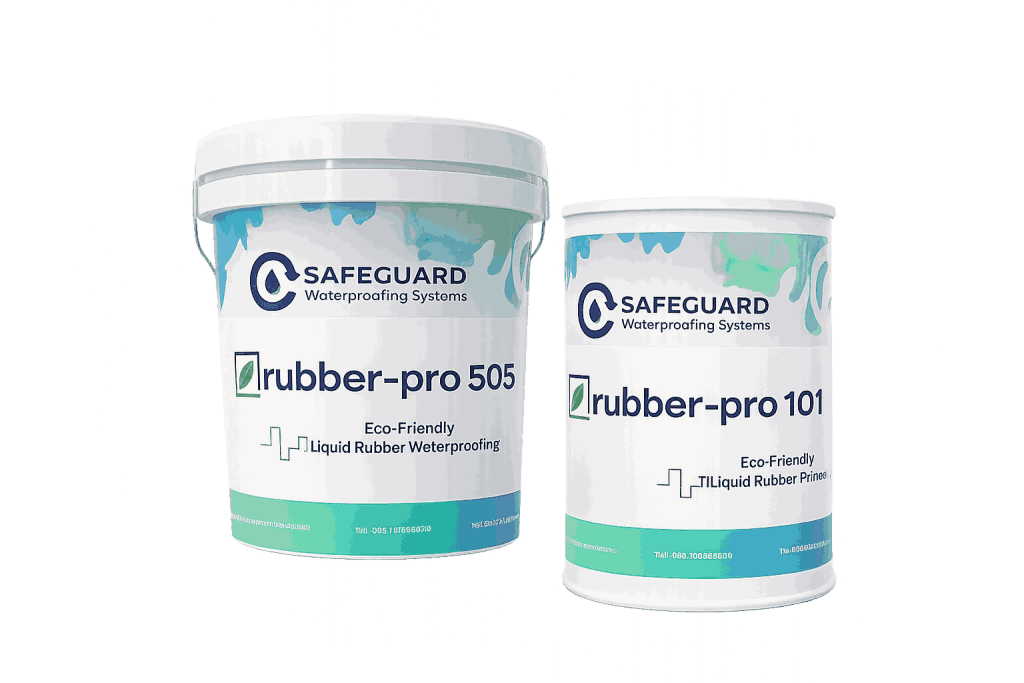
Why Safeguard RUBBER PRO Liquid Rubber Roof Waterproofing in South Africa Is Ideal for Harsh Climate Conditions Roof leaks are one of the most common issues faced by property owners across South Africa. From heavy seasonal rains to extreme UV exposure, roofing systems are constantly under stress. This is why many professionals are turning to […]
Mould and Damp: The Hidden Physical and Mental Health Risks in South African Homes
Mould and Damp: The Hidden Physical and Mental Health Risks in South African Homes In South Africa, damp and mould are common problems in both residential and commercial buildings, especially in coastal regions, high rainfall areas, and poorly ventilated structures. While most people recognize the damage damp causes to walls and ceilings, fewer understand the […]
Polyurethane vs Torch-On Waterproofing in South African/African Conditions
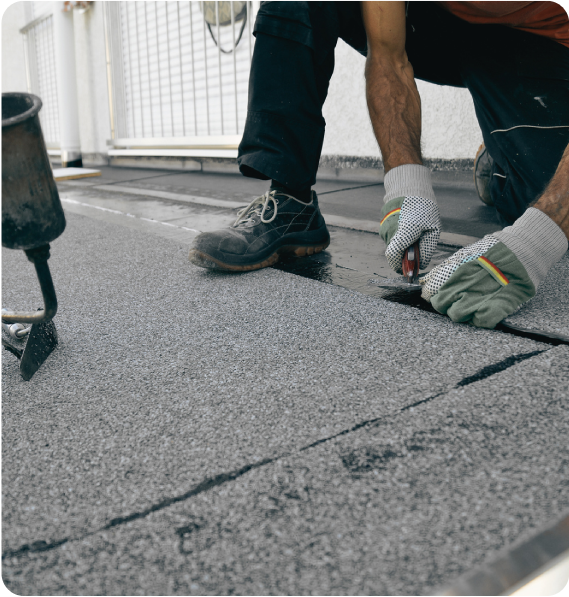
Polyurethane vs Torch-On Waterproofing in South African/African Conditions Introduction Waterproofing failure remains one of the most common causes of building defects in South Africa. In commercial and residential construction, the decision between polyurethane liquid-applied systems and traditional torch-on bitumen membranes significantly affects: Service life Maintenance cost Risk exposure UV performance Crack-bridging capacity Long-term liability This […]
Remedial Negative Side Waterproofing – Underground Structures in High Water Table Conditions
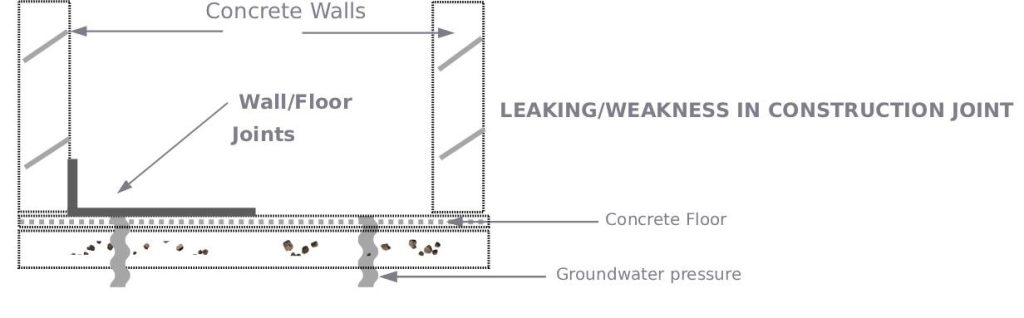
Remedial Negative Side Waterproofing – Underground Structures in High Water Table Conditions Underground structures located in high water table environments are continuously exposed to hydrostatic pressure. A critical and recurring failure point is the wall & floor construction joint, where groundwater migrates upward through the slab and manifests as active seepage, damp floors or standing […]
Uv Protection For Waterproofing

UV PROTECTION FOR WATERPROOFING Most of us are aware of the dangers of Ultra Violet rays on our skin. We protect ourselves as much as possible with clothing and protective sun blocking creams or simply avoid excessive exposure to the sun’s rays as much as possible. But what of our buildings and especially our waterproofing […]
Protecting Your Walls: The Importance Of Masonry Sealants

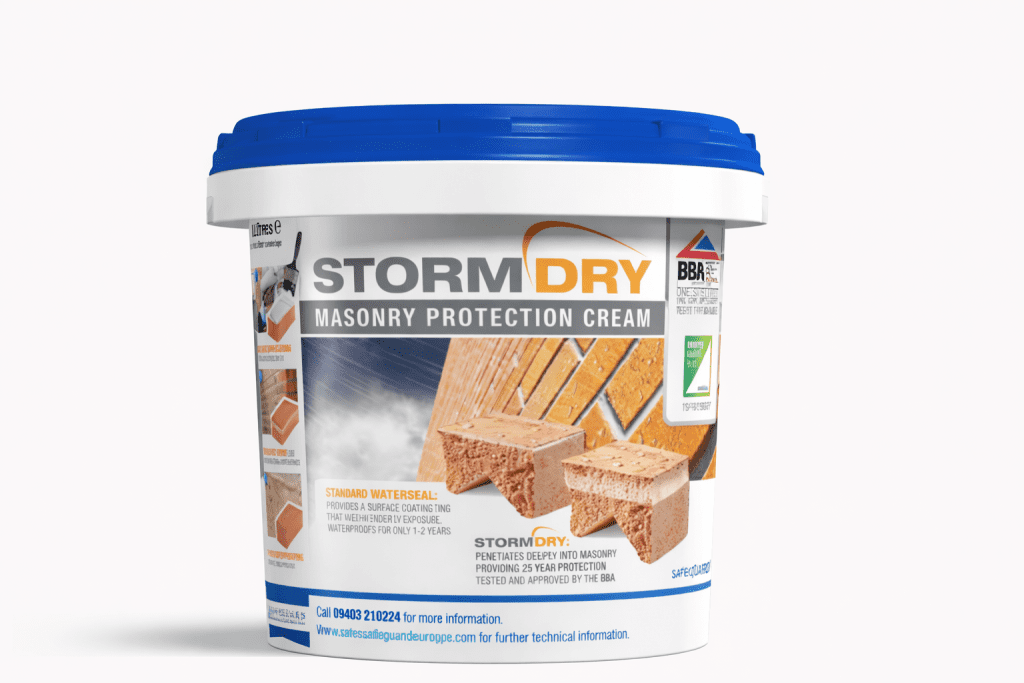
PROTECTING YOUR WALLS: THE IMPORTANCE OF MASONRY SEALANTS Moisture is one of the biggest threats to the structural integrity of buildings. Rain, condensation or groundwater can penetrate walls and lead to cracks, frost damage and the growth of algae, fungus or moss. Over time, salt and lime deposits may appear, leaving unsightly marks, while dirt […]
Solving Pinhole And Adhesion Problems With Liquid Waterproofing Products

SOLVING PINHOLE AND ADHESION PROBLEMS WITH LIQUID WATERPROOFING PRODUCTS The presence of pinholes in liquid-applied waterproofing products is a problem faced by all of us at some time. When this occurs on exposed external surfaces it can result in water ingress and damage. There are several reasons why pinholes and lack of adhesion can occur: […]
Drying Time V Curing Time

DRYING TIME V CURING TIME When working with liquid-applied waterproofing products it is important to understand the difference between drying time and curing time and is vital in ensuring the best performance and longevity of the product or system. Failing to understand the difference between the two can lead to failure of the product – […]
Basements And Cellars

BASEMENTS AND CELLARS Basements and cellars should ideally be waterproofed on the positive side of the walls during the construction phase. However, either this does not happen or at some stage the waterproofing fails. Under these circumstances it is necessary to waterproof the insides of the walls (negative side) in a process called “tanking”. Surprisingly, […]