
Waterproofing plays a critical role in protecting buildings across South Africa. With extreme UV exposure, heavy seasonal rains, and fluctuating temperatures, choosing the right system can make the difference between long-term protection and recurring failures.
In recent years, The Safeguard Rubber Pro Liquid Applied Rubber Waterproofing has gained attention as a modern alternative to traditional waterproofing systems such as torch-on membranes, bitumen coatings, and cementitious slurries. But how does it compare, and what actually works best in South African conditions?
South African buildings face a combination of environmental stresses that accelerate waterproofing failure:
Traditional systems often struggle under these conditions, especially when exposed for long periods. This is why many contractors and property owners are shifting toward Safeguard Rubber Pro Liquid Applied Rubber Waterproofing systems that are designed to handle these challenges.
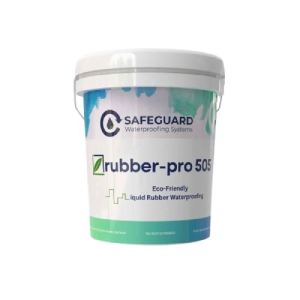
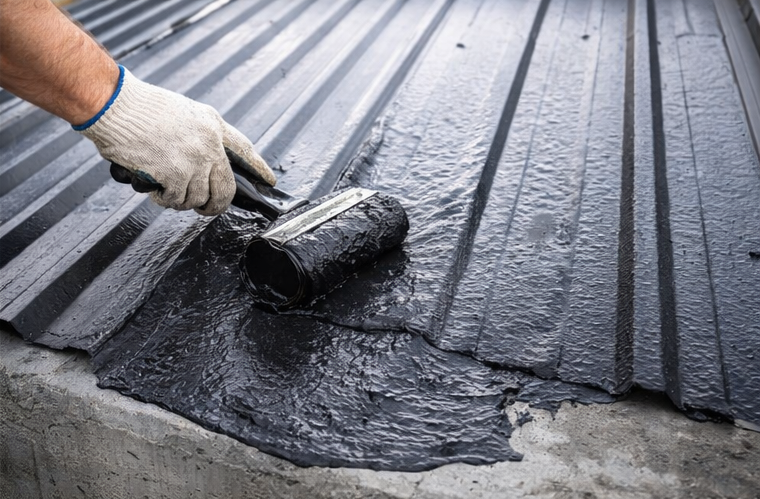
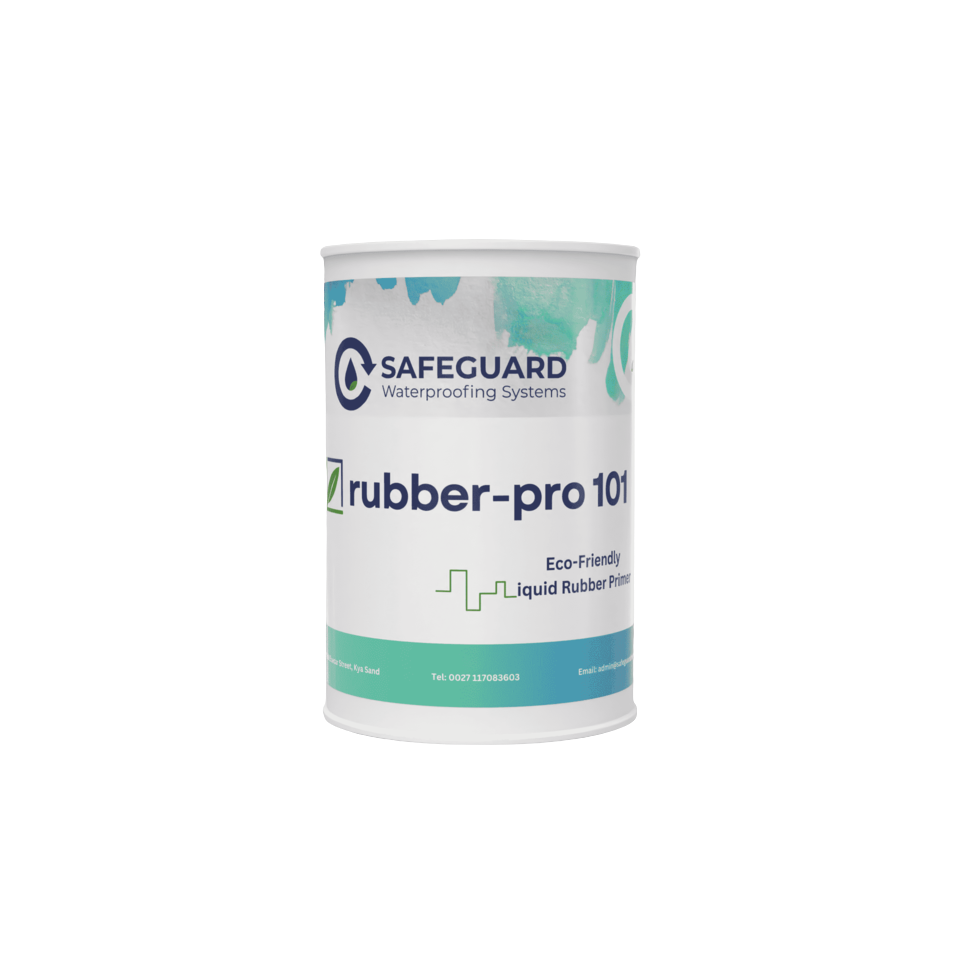
Safeguard Rubber Pro Liquid Applied Rubber Waterproofing is a liquid-applied waterproofing system that cures into a seamless, flexible, rubber-like membrane. Unlike sheet-based systems, it forms a continuous and seamless protective layer across the entire surface.
Liquid-applied membranes are widely recognized in the construction industry for their ability to create a monolithic waterproof barrier that adheres directly to substrates like concrete and metal.
This makes Safeguard Rubber Pro Liquid Applied Rubber Waterproofing particularly effective for roof applications where joints, penetrations, and detailing are common points of failure.
Before comparing performance, it’s important to understand traditional waterproofing methods commonly used in South Africa.
These are bitumen-based sheets applied using an open flame. They are widely used for flat roofs but rely heavily on proper installation and seam integrity.
Applied as a liquid but lack the ability to fully bond to the substrate.
A rigid coating typically used for above-ground applications such as lateral damp and for the negative waterproofing of basements and cellars.
Each of these systems has its place but they also come with limitations, especially in exposed environments.
One of the biggest advantages of Safeguard Rubber Pro Waterproofing is its seamless application.
Traditional systems:
South African roofs expand and contract due to considerable temperature changes.
Traditional systems:
Safeguard Rubber Pro Waterproofing:
Liquid membranes are designed to maintain elasticity and resist cracking even under stress.
Traditional systems often rely on mechanical fixing or partial bonding.
In contrast, Safeguard Rubber Pro Waterproofing:
UV degradation is one of the leading causes of waterproofing failure in South Africa.
Traditional systems:
Safeguard Rubber Pro Waterproofing:
Roofs often include:
Sheet membranes struggle in these areas.
Liquid systems like Safeguard Rubber Pro Liquid Applied Rubber Waterproofing:
Liquid membranes are especially effective for roofs with detailing and penetrations where sheets are difficult to install.
Here’s why Safeguard Rubber Pro Liquid Applied Rubber Waterproofing is becoming a preferred solution:
Liquid-applied waterproofing systems are widely recognized for providing durable protection and extending the lifespan of structures. are designed to handle these challenges.
While Safeguard Rubber Pro Liquid Applied Rubber Waterproofing offers many advantages, traditional systems can still be useful in certain scenarios:
However, for exposed roof areas in South Africa (especially metals roofs), modern liquid systems often deliver better long-term performance.
Many failures are not caused by poor products, but by using the wrong system.
Typical issues include:
Safeguard Rubber Pro Liquid Applied Rubber Waterproofing addresses these issues by eliminating weak points and providing a continuous protective layer.
Safeguard Chemicals promotes a system-based approach, not just a single product.
A complete Safeguard Rubber Pro Applied Rubber Waterproofing system may include:
When comparing performance, durability, and long-term reliability:
Safeguard Rubber Pro Liquid Applied Rubber Waterproofing is generally the better choice for:
Traditional systems still have their place but for modern waterproofing challenges, liquid-applied systems are often more effective.
Choosing the right waterproofing system is critical in South Africa’s harsh climate. While traditional systems have been widely used for years, they often struggle with flexibility, UV resistance, and long-term durability.
Safeguard Rubber Pro Liquid Applied Rubber Waterproofing provides a modern solution that addresses these challenges through seamless application, strong adhesion, and flexibility.
For property owners and contractors looking for long-term protection, it offers a reliable and effective waterproofing system for both concrete and metal surfaces.
Waterproofing of roofs, basements, etc. shall be laid under appropriate manufacturer guarantees supplemented
by a contractor workmanship guarantee. Waterproofing to flat roofs shall be laid with a minimum fall to outlets of
1:80 and include all outlets, etc.Waterproof of external basment walls shall take into account the definition of dry and wet sides as per SANS 10021: 2006 6.15.2 and 6.1.5.3 and provide one or two layer membrane systems as
appropriate descriptions of sheets or membrane waterproofing shall be deemed to include all labour costs.

Apply Safeguard SG720″ primer to prepared surfaces, followed by two coats of “Safeguard SG280” waterproofing polyurethane and one coat of SG PU440 with SG PU Fabric on horizontal and vertical joints.
Apply Safeguard SG720″ primer to prepared surfaces, followed by two coats of “Safeguard SG280” waterproofing polyurethane and one coat of SG PU450 with SG PU Fabric on horizontal and vertical joints.
Thoroughly clean and prepare the surface, as per Safeguard Method Statement for Surface Preparation.
Apply one coat of Safeguard solvent-based Bitumen Primer to the surface ensuring full coverage without any “ponding” of primer on the surface.
Allow to dry and heat-fuse one layer of Safeguard Euro Gecko 4mm APP single re-inforced Bitumen Membrane to the primed surface, lapping all side walls and dressing into and around outlets and upstands.
Provide 100mm side laps and 150mm end laps to adjoining rolls of membrane, ensuring that laps are properly “bled”.
Suitable performance-related products are acceptable.
5-7 days after application of the Bitumen Membrane, thoroughly clean the surface of the membrane and apply 2 coats of Safeguard Bitumen Aluminium paint to the membrane using a brush, roller or spray.
Equivalent products are acceptable.
Thoroughly clean and prepare the surface, removing all laitance, dust, dirt, grime and grease.
Apply one coat of solvent-based Bitumen Primer to the surface ensuring full coverage without any “ponding” of primer on the surface.
Allow to dry and heat-fuse one layer of 4mm APP single re-inforced Bitumen Membrane to the primed surface, lapping all side walls and dressing into and around outlets and upstands.
Provide 100mm side laps and 150mm end laps to adjoining rolls of membrane, ensuring that laps are properly “bled”.
5-7 days after application of the Bitumen Membrane, thoroughly clean the surface of the membrane and apply 2 coats of Bitumen Aluminium paint to the membrane using a brush, roller or spray

Thoroughly clean and prepare all external walls from foundation to 2 brick courses above finished ground level as per Safeguard Method Statement for Surface Preparation.
Apply one coat of Safeguard SG 720 Primer to the walls by spray, roller or brush and allow to dry.
Apply two coats of Safeguard SG PU 610 by spray, roller or brush. If applying by spray, dilute with 5% MEK. Allow the first coat to dry overnight. A third coat should be applied where “Wet” sites are encountered as per SANS 10021:2006 6.1.5.3
Protect membrane with soft board or dimpled membrane prior to backfill.
Equivalent performance-related products may be supplied.
Thoroughly clean and prepare all external walls from foundation to 2 brick courses above finished ground level, removing all dirt, dust, grime grease and any unnecessary mortar,
Apply one coat of Polyurethane Primer to the walls and allow to dry.
Apply two coats of Polyurethane waterproofing membrane to a DFT of 1-2mm. The membrane should accommodate temperatures from -30? to +90?C and have a minimum elasticity of 600% with a Shore A hardness of 60 or greater and a Tensile strength of 4N/mm? or greater. Allow the first coat to dry overnight. A third coat should be applied where “Wet” sites are encountered as per SANS 10021:2006 6.1.5.3
Protect membrane with soft board or dimpled membrane prior to backfill.

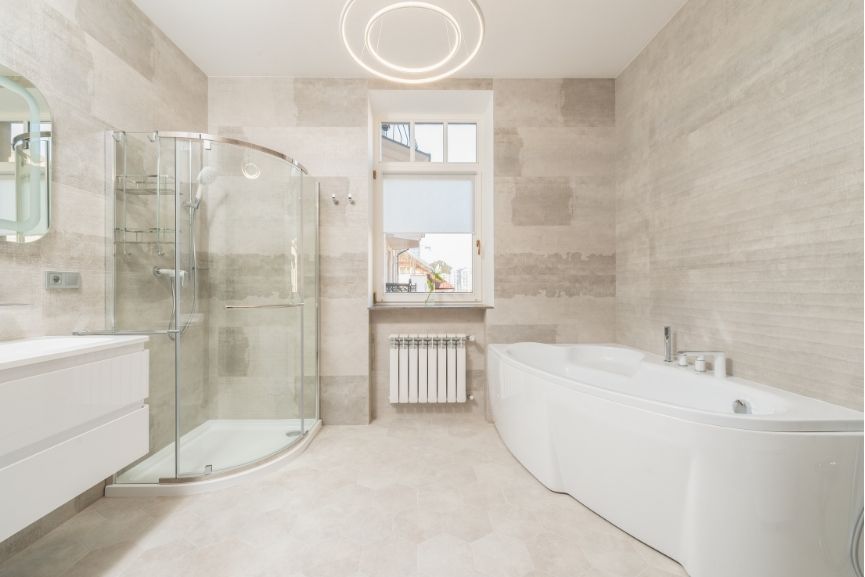
Thoroughly clean shower walls and floor, removing all loose dirt, mortar, grime and grease. Walls should not be plastered.
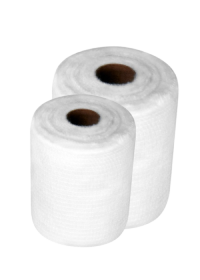
Apply a coat of Safeguard Latseal Slurry mixed with Bondaid to the walls and floor, embedding a non-woven polypropylene membrane into the slurry at all joints.
Allow to cure overnight and apply a further coat of Safeguard slurry to the entire area.
At the joint with the outlet, an expandable polyurethane sealant should be applied to cover both surfaces. This should be allowed to cure, together with the slurry before application of any tiles/mosaics.
Equivalent products are acceptable.
Thoroughly clean shower walls and floor, removing all loose dirt, mortar, grime and grease. Walls should not be plastered.
Apply a coat of cementitious waterproof slurry mixed with bonding liquid to the walls and floor, embedding a non-woven polypropylene membrane into the slurry at all joints.
Allow to cure overnight and apply a further coat of slurry to the entire area.
At the joint with the outlet, an expandable polyurethane sealant should be applied to cover both surfaces. This should be allowed to cure, together with the slurry before application of any tiles/mosaics.
PRODUCT GUARANTEE
Polyurethane Roofing – SG PU280
Polyurethane Foundation – SG PU610
Joint Sealant – SG Flex20
Bitumen Roofing – 4mm Torch-on membrane
Polyurethane Undertile Showers / Balconies – SG PU610
Cementitious Undertile Showers/Balconies – Latseal Slurry

SG PU 280 Flat Roof
SG PU 610 Garden Roof
SG 4mm Bitumen Roof
SG PU 610 Foundation
SG PU 280 Car parking
Waterproofing of roofs, basements, etc. shall be laid under appropriate manufacturer guarantees supplemented
by a contractor workmanship guarantee. Waterproofing to flat roofs shall be laid with a minimum fall to outlets of
1:80 and include all outlets, etc.Waterproof of external basment walls shall take into account the definition of dry and wet sides as per SANS 10021: 2006 6.15.2 and 6.1.5.3 and provide one or two layer membrane systems as
appropriate descriptions of sheets or membrane waterproofing shall be deemed to include all labour costs.
Apply Safeguard SG720″ primer to prepared surfaces, followed by two coats of “Safeguard SG280” waterproofing
polyurethane and one coat of SG PU440 with SG PU Fabric on horizontal and vertical joints.
Apply Safeguard SG720″ primer to prepared surfaces, followed by two coats of “Safeguard SG280” waterproofing
polyurethane and one coat of SG PU450 with SG PU Fabric on horizontal and vertical joints.
Thoroughly clean and prepare all external walls from foundation to 2 brick courses above finished ground level as per Safeguard Method Statement for Surface Preparation.
Apply one coat of Safeguard SG 720 Primer to the walls by spray, roller or brush and allow to dry.
Apply two coats of Safeguard SG PU 610 by spray, roller or brush. If applying by spray, dilute with 5% MEK. Allow the first coat to dry overnight. A third coat should be applied where “Wet” sites are encountered as per SANS 10021:2006 6.1.5.3
Protect membrane with soft board or dimpled membrane prior to backfill.
Equivalent performance-related products may be supplied.
Thoroughly clean and prepare all external walls from foundation to 2 brick courses above finished ground level, removing all dirt, dust, grime grease and any unnecessary mortar,
Apply one coat of Polyurethane Primer to the walls and allow to dry.
Apply two coats of Polyurethane waterproofing membrane to a DFT of 1-2mm. The membrane should accommodate temperatures from -30? to +90?C and have a minimum elasticity of 600% with a Shore A hardness of 60 or greater and a Tensile strength of 4N/mm? or greater. Allow the first coat to dry overnight. A third coat should be applied where “Wet” sites are encountered as per SANS 10021:2006 6.1.5.3
Protect membrane with soft board or dimpled membrane prior to backfill.
Thoroughly clean and prepare the surface, as per Safeguard Method Statement for Surface Preparation.
Apply one coat of Safeguard solvent-based Bitumen Primer to the surface ensuring full coverage without any “ponding” of primer on the surface.
Allow to dry and heat-fuse one layer of Safeguard Euro Gecko 4mm APP single re-inforced Bitumen Membrane to the primed surface, lapping all side walls and dressing into and around outlets and upstands.
Provide 100mm side laps and 150mm end laps to adjoining rolls of membrane, ensuring that laps are properly “bled”.
Suitable performance-related products are acceptable.
5-7 days after application of the Bitumen Membrane, thoroughly clean the surface of the membrane and apply 2 coats of Safeguard Bitumen Aluminium paint to the membrane using a brush, roller or spray.
Equivalent products are acceptable.
Thoroughly clean and prepare the surface, removing all laitance, dust, dirt, grime and grease.
Apply one coat of solvent-based Bitumen Primer to the surface ensuring full coverage without any “ponding” of primer on the surface.
Allow to dry and heat-fuse one layer of 4mm APP single re-inforced Bitumen Membrane to the primed surface, lapping all side walls and dressing into and around outlets and upstands.
Provide 100mm side laps and 150mm end laps to adjoining rolls of membrane, ensuring that laps are properly “bled”.
5-7 days after application of the Bitumen Membrane, thoroughly clean the surface of the membrane and apply 2 coats of Bitumen Aluminium paint to the membrane using a brush, roller or spray.
Thoroughly clean shower walls and floor, removing all loose dirt, mortar, grime and grease. Walls should not be plastered.
Apply a coat of Safeguard Latseal Slurry mixed with Bondaid to the walls and floor, embedding a non-woven polypropylene membrane into the slurry at all joints.
Allow to cure overnight and apply a further coat of Safeguard slurry to the entire area.
At the joint with the outlet, an expandable polyurethane sealant should be applied to cover both surfaces. This should be allowed to cure, together with the slurry before application of any tiles/mosaics.
Equivalent products are acceptable.
Thoroughly clean shower walls and floor, removing all loose dirt, mortar, grime and grease. Walls should not be plastered.
Apply a coat of cementitious waterproof slurry mixed with bonding liquid to the walls and floor, embedding a non-woven polypropylene membrane into the slurry at all joints.
Allow to cure overnight and apply a further coat of slurry to the entire area.
At the joint with the outlet, an expandable polyurethane sealant should be applied to cover both surfaces. This should be allowed to cure, together with the slurry before application of any tiles/mosaics.

Contact Us 011 7083603
Email techncal@safeguardchem.co.za