R950.00 – R4,750.00Price range: R950.00 through R4,750.00

Next-day delivery

30-day return policy

Over 40 years of innovation

Trustpilot rating - Excellent


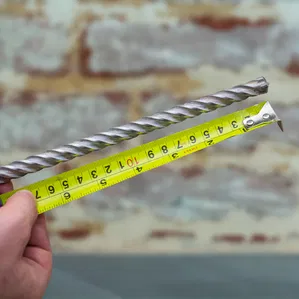
| Size(s) & packaging | Pack of 10 or 50 rods of 180 mm length and 12 mm diameter | ||||||||
| Coverage (per 10 m of wall) |
|
||||||||
| Service life | At least 20 years | ||||||||
| Accreditations |
|
| Appearance | Thick, white cream |
| Active Ingredients | Silane and Siloxane |
| Size(s) and Packaging | 5 litre plastic bucket, 600 ml foil sausage and 310 ml mastic cartridge |
| Accreditations |
|
Dryrod Damp-Proofing Rods eradicate rising damp without the need for specialised tools. Safeguard Europe’s uniquely designed fibre rods are easy to use, eliminating the problems with liquid-based DPC by delivering the correct dosage every time with minimal mess and maximum efficacy.
Once installed, Dryrod Damp-Proofing Rods treat damp walls with a 100% active ingredient that has been scientifically proven to outperform competing Damp Proof Courses.
Approved by the British Board of Agrèment and the German WTA, Dryrod always delivers the exact dose needed to fully dry out alkaline, neutral and even highly porous mortar walls.
BBA testing found Dryrod highly effective especially in older masonry, cavity walls, rubble infill, random stone and single skin walls. Dryrod Damp-Proofing Rods have been certified as effective against rising damp for up to 20 years after installation.
Once cured, the water repellent material seeps into the wall to form a highly effective barrier to damp. Not only does this fully dry out the damp wall, it stops rising damp from setting back in.
Safeguard Europe’s patented rods carry a powerful water repellent for a mess-free application in just 3 simple steps. Simply Drill into the mortar course with a Dryzone System drill bit. Clear debris from each hole with the simple-to-use Dryrod Hole Clearing Tool. Install by simply pushing a Dry rod into each cavity.
Dryrod Damp-Proofing rods will remove damp from even the most saturated walls by releasing silane concentrate throughout the mortar to dry out the wall and establish a barrier to rising damp. This solution is non caustic, non-flammable and solvent-free, giving you peace of mind throughout the process.
Dryrod Damp-Proofing rods are available in packs of 10 and 50, for 1.2 and 6 metre coverage. Each Damp-proofing Rod comes in a handy 180mm length that can be cut to size with a Dryrod Cutting Tool, ensuring you always have the right length for your wall.
For walls thicker than 9”, multiple rods can be combined. Dryrod can even be installed in cold conditions, offering an all-weather solution to rising damp.
The British Board of Agrèment and the German WTA have certified Dryrod Damp-Proofing Rods as effective against the ingress of moisture for up to 20 years. Safeguard Europe’s patented Dryrods offers you piece of mind with an effective and rigorously tested Damp Proof Course that stops rising damp in its tracks.
Renovate and protect your home and properties with Dryrod: The Next Generation of Damp Proof Course.
Mark your drill bit to the appropriate depth for the wall you wish to treat. A Dryzone 12 mm Drill Bit is recommended for enhanced debris removal.
Identify the lowest horizontal mortar course that is accessible and continuous. Drill holes to the full recommended depth, at regular 120 mm intervals along the wall. As the drill bit approaches the final 40 mm of the intended hole depth, make sure to reduce the pressure you are putting on the drill. Excessive drilling pressure on the rotary hammer setting can result in damage to the far side of the wall.
A standard Dryrod Damp-Proofing Rod is 180 mm in length, which is the exact length required to treat a standard 9″ wall. If the wall is thinner than 9″ then cut the rods down until they are 10 mm shorter than the length of the hole. If the wall is thicker than 9″, cut a second rod down until its length is 10 mm less than the excess left after inserting one whole rod.
Waterproofing of roofs, basements, etc. shall be laid under appropriate manufacturer guarantees supplemented
by a contractor workmanship guarantee. Waterproofing to flat roofs shall be laid with a minimum fall to outlets of
1:80 and include all outlets, etc.Waterproof of external basment walls shall take into account the definition of dry and wet sides as per SANS 10021: 2006 6.15.2 and 6.1.5.3 and provide one or two layer membrane systems as
appropriate descriptions of sheets or membrane waterproofing shall be deemed to include all labour costs.

Apply Safeguard SG720″ primer to prepared surfaces, followed by two coats of “Safeguard SG280” waterproofing polyurethane and one coat of SG PU440 with SG PU Fabric on horizontal and vertical joints.
Apply Safeguard SG720″ primer to prepared surfaces, followed by two coats of “Safeguard SG280” waterproofing polyurethane and one coat of SG PU450 with SG PU Fabric on horizontal and vertical joints.
Thoroughly clean and prepare the surface, as per Safeguard Method Statement for Surface Preparation.
Apply one coat of Safeguard solvent-based Bitumen Primer to the surface ensuring full coverage without any “ponding” of primer on the surface.
Allow to dry and heat-fuse one layer of Safeguard Euro Gecko 4mm APP single re-inforced Bitumen Membrane to the primed surface, lapping all side walls and dressing into and around outlets and upstands.
Provide 100mm side laps and 150mm end laps to adjoining rolls of membrane, ensuring that laps are properly “bled”.
Suitable performance-related products are acceptable.
5-7 days after application of the Bitumen Membrane, thoroughly clean the surface of the membrane and apply 2 coats of Safeguard Bitumen Aluminium paint to the membrane using a brush, roller or spray.
Equivalent products are acceptable.
Thoroughly clean and prepare the surface, removing all laitance, dust, dirt, grime and grease.
Apply one coat of solvent-based Bitumen Primer to the surface ensuring full coverage without any “ponding” of primer on the surface.
Allow to dry and heat-fuse one layer of 4mm APP single re-inforced Bitumen Membrane to the primed surface, lapping all side walls and dressing into and around outlets and upstands.
Provide 100mm side laps and 150mm end laps to adjoining rolls of membrane, ensuring that laps are properly “bled”.
5-7 days after application of the Bitumen Membrane, thoroughly clean the surface of the membrane and apply 2 coats of Bitumen Aluminium paint to the membrane using a brush, roller or spray

Thoroughly clean and prepare all external walls from foundation to 2 brick courses above finished ground level as per Safeguard Method Statement for Surface Preparation.
Apply one coat of Safeguard SG 720 Primer to the walls by spray, roller or brush and allow to dry.
Apply two coats of Safeguard SG PU 610 by spray, roller or brush. If applying by spray, dilute with 5% MEK. Allow the first coat to dry overnight. A third coat should be applied where “Wet” sites are encountered as per SANS 10021:2006 6.1.5.3
Protect membrane with soft board or dimpled membrane prior to backfill.
Equivalent performance-related products may be supplied.
Thoroughly clean and prepare all external walls from foundation to 2 brick courses above finished ground level, removing all dirt, dust, grime grease and any unnecessary mortar,
Apply one coat of Polyurethane Primer to the walls and allow to dry.
Apply two coats of Polyurethane waterproofing membrane to a DFT of 1-2mm. The membrane should accommodate temperatures from -30? to +90?C and have a minimum elasticity of 600% with a Shore A hardness of 60 or greater and a Tensile strength of 4N/mm? or greater. Allow the first coat to dry overnight. A third coat should be applied where “Wet” sites are encountered as per SANS 10021:2006 6.1.5.3
Protect membrane with soft board or dimpled membrane prior to backfill.

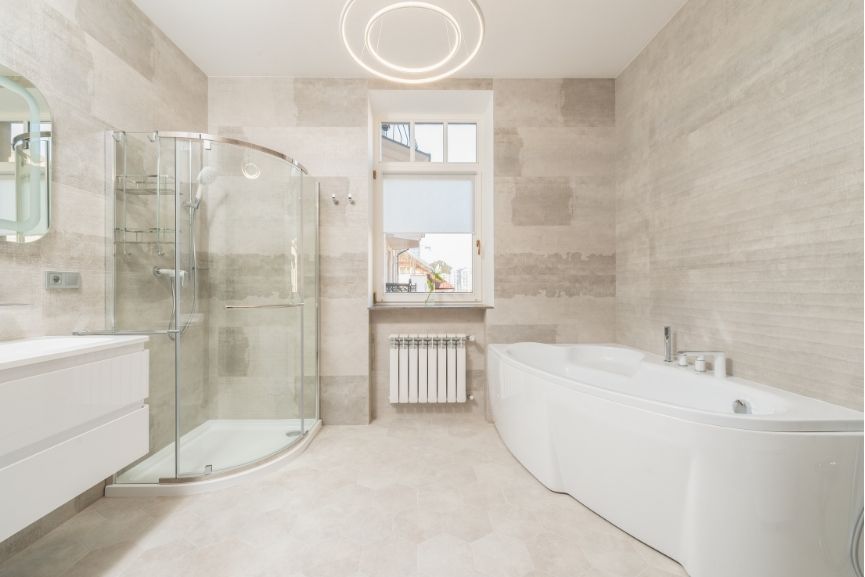
Thoroughly clean shower walls and floor, removing all loose dirt, mortar, grime and grease. Walls should not be plastered.
Apply a coat of Safeguard Latseal Slurry mixed with Bondaid to the walls and floor, embedding a non-woven polypropylene membrane into the slurry at all joints.
Allow to cure overnight and apply a further coat of Safeguard slurry to the entire area.
At the joint with the outlet, an expandable polyurethane sealant should be applied to cover both surfaces. This should be allowed to cure, together with the slurry before application of any tiles/mosaics.
Equivalent products are acceptable.
Thoroughly clean shower walls and floor, removing all loose dirt, mortar, grime and grease. Walls should not be plastered.
Apply a coat of cementitious waterproof slurry mixed with bonding liquid to the walls and floor, embedding a non-woven polypropylene membrane into the slurry at all joints.
Allow to cure overnight and apply a further coat of slurry to the entire area.
At the joint with the outlet, an expandable polyurethane sealant should be applied to cover both surfaces. This should be allowed to cure, together with the slurry before application of any tiles/mosaics.
PRODUCT GUARANTEE
Polyurethane Roofing – SG PU280
Polyurethane Foundation – SG PU610
Joint Sealant – SG Flex20
Bitumen Roofing – 4mm Torch-on membrane
Polyurethane Undertile Showers / Balconies – SG PU610
Cementitious Undertile Showers/Balconies – Latseal Slurry

SG PU 280 Flat Roof
SG PU 610 Garden Roof
SG 4mm Bitumen Roof
SG PU 610 Foundation
SG PU 280 Car parking
Waterproofing of roofs, basements, etc. shall be laid under appropriate manufacturer guarantees supplemented
by a contractor workmanship guarantee. Waterproofing to flat roofs shall be laid with a minimum fall to outlets of
1:80 and include all outlets, etc.Waterproof of external basment walls shall take into account the definition of dry and wet sides as per SANS 10021: 2006 6.15.2 and 6.1.5.3 and provide one or two layer membrane systems as
appropriate descriptions of sheets or membrane waterproofing shall be deemed to include all labour costs.
Apply Safeguard SG720″ primer to prepared surfaces, followed by two coats of “Safeguard SG280” waterproofing
polyurethane and one coat of SG PU440 with SG PU Fabric on horizontal and vertical joints.
Apply Safeguard SG720″ primer to prepared surfaces, followed by two coats of “Safeguard SG280” waterproofing
polyurethane and one coat of SG PU450 with SG PU Fabric on horizontal and vertical joints.
Thoroughly clean and prepare all external walls from foundation to 2 brick courses above finished ground level as per Safeguard Method Statement for Surface Preparation.
Apply one coat of Safeguard SG 720 Primer to the walls by spray, roller or brush and allow to dry.
Apply two coats of Safeguard SG PU 610 by spray, roller or brush. If applying by spray, dilute with 5% MEK. Allow the first coat to dry overnight. A third coat should be applied where “Wet” sites are encountered as per SANS 10021:2006 6.1.5.3
Protect membrane with soft board or dimpled membrane prior to backfill.
Equivalent performance-related products may be supplied.
Thoroughly clean and prepare all external walls from foundation to 2 brick courses above finished ground level, removing all dirt, dust, grime grease and any unnecessary mortar,
Apply one coat of Polyurethane Primer to the walls and allow to dry.
Apply two coats of Polyurethane waterproofing membrane to a DFT of 1-2mm. The membrane should accommodate temperatures from -30? to +90?C and have a minimum elasticity of 600% with a Shore A hardness of 60 or greater and a Tensile strength of 4N/mm? or greater. Allow the first coat to dry overnight. A third coat should be applied where “Wet” sites are encountered as per SANS 10021:2006 6.1.5.3
Protect membrane with soft board or dimpled membrane prior to backfill.
Thoroughly clean and prepare the surface, as per Safeguard Method Statement for Surface Preparation.
Apply one coat of Safeguard solvent-based Bitumen Primer to the surface ensuring full coverage without any “ponding” of primer on the surface.
Allow to dry and heat-fuse one layer of Safeguard Euro Gecko 4mm APP single re-inforced Bitumen Membrane to the primed surface, lapping all side walls and dressing into and around outlets and upstands.
Provide 100mm side laps and 150mm end laps to adjoining rolls of membrane, ensuring that laps are properly “bled”.
Suitable performance-related products are acceptable.
5-7 days after application of the Bitumen Membrane, thoroughly clean the surface of the membrane and apply 2 coats of Safeguard Bitumen Aluminium paint to the membrane using a brush, roller or spray.
Equivalent products are acceptable.
Thoroughly clean and prepare the surface, removing all laitance, dust, dirt, grime and grease.
Apply one coat of solvent-based Bitumen Primer to the surface ensuring full coverage without any “ponding” of primer on the surface.
Allow to dry and heat-fuse one layer of 4mm APP single re-inforced Bitumen Membrane to the primed surface, lapping all side walls and dressing into and around outlets and upstands.
Provide 100mm side laps and 150mm end laps to adjoining rolls of membrane, ensuring that laps are properly “bled”.
5-7 days after application of the Bitumen Membrane, thoroughly clean the surface of the membrane and apply 2 coats of Bitumen Aluminium paint to the membrane using a brush, roller or spray.
Thoroughly clean shower walls and floor, removing all loose dirt, mortar, grime and grease. Walls should not be plastered.
Apply a coat of Safeguard Latseal Slurry mixed with Bondaid to the walls and floor, embedding a non-woven polypropylene membrane into the slurry at all joints.
Allow to cure overnight and apply a further coat of Safeguard slurry to the entire area.
At the joint with the outlet, an expandable polyurethane sealant should be applied to cover both surfaces. This should be allowed to cure, together with the slurry before application of any tiles/mosaics.
Equivalent products are acceptable.
Thoroughly clean shower walls and floor, removing all loose dirt, mortar, grime and grease. Walls should not be plastered.
Apply a coat of cementitious waterproof slurry mixed with bonding liquid to the walls and floor, embedding a non-woven polypropylene membrane into the slurry at all joints.
Allow to cure overnight and apply a further coat of slurry to the entire area.
At the joint with the outlet, an expandable polyurethane sealant should be applied to cover both surfaces. This should be allowed to cure, together with the slurry before application of any tiles/mosaics.

Contact Us 011 7083603
Email techncal@safeguardchem.co.za